

Dong quai (Angelica sinensis), often dubbed "female ginseng," is a revered root in traditional Chinese medicine, harvested from the umbelliferous plant native to the high-altitude regions of China, Japan, and Korea. With its sweet, pungent flavor and bioactive compounds like ferulic acid, ligustilide, and polysaccharides, this herb has been a cornerstone for addressing women's health concerns, including menstrual irregularities, menopausal symptoms, and hormonal balance. Backed by centuries of use and emerging scientific scrutiny, dong quai promotes blood nourishment and vitality, though modern research calls for cautious optimism. In this in-depth post, we'll explore its profound history, global cultural roles, and evidence-based benefits, while spotlighting its integral place in Gordon's Healthy Living's One for the Ladies—a 13-herb blend for feminine equilibrium.

Ancient Roots: The Historical Journey of Dong Quai
Dong quai's legacy dates back over 2,000 years, embedded in the foundational texts of traditional Chinese medicine (TCM).
- Ancient China (200 BCE): First documented in the Shennong Bencao Jing (Divine Farmer's Materia Medica), dong quai was classified as a superior tonic for "blood deficiency," used to regulate menstruation, alleviate cramps, and restore vitality after childbirth. Emperors prized it for longevity, blending it into imperial formulas for women's reproductive health.
- Tang Dynasty (618–907 CE): TCM practitioners refined its use in multi-herb decoctions like Si Wu Tang (Four Substances Decoction), combining it with peony and rehmannia for anemia, PMS, and postpartum recovery—earning it the moniker "queen of herbs" for its gentle yet potent effects on female qi and blood.
- Global Spread (19th Century): Introduced to the West via Silk Road trade and colonial exchanges, it gained traction in eclectic medicine for gynecological issues, with American herbalists adopting it for menopause and cramps by the early 1900s.
This enduring history positions dong quai as a timeless ally for women's cycles and transitions.
“The herb that nourishes blood and harmonizes the womb.” – Shennong Bencao Jing
A Worldwide Emblem: Cultural Significance of Dong Quai
Dong quai's cultural footprint extends beyond China, symbolizing feminine strength and blood vitality in diverse traditions.
| Region/Culture | Key Cultural Uses |
|---|---|
| China (TCM) | "Dang gui" (return to order) for blood tonification; postpartum rituals to restore qi, menstrual teas for harmony; symbolizes feminine resilience in festivals. |
| Korea & Japan | Adapted from TCM for gynecological tonics; in Korean hanbang for anemia and menopause; Japanese kampo for blood stagnation rituals. |
| Western Herbalism | 19th-century adoption for women's health; in eclectic blends for cramps and hormone balance; modern feminist herbalism as empowerment symbol. |
| Global Diaspora | In Latin American curanderismo for menstrual rituals; African-American folk medicine for blood building; modern wellness cultures for empowerment teas. |
Sustainably sourced from ethical farms, dong quai embodies cultural reverence for women's cycles and blood harmony.
Science Meets Tradition: Evidence-Based Benefits of Dong Quai
Research on dong quai focuses on its estrogenic, anti-inflammatory, and hematopoietic (blood-building) effects, with mixed but promising results for women's health.
1. Menstrual and PMS Support
Dong quai's polysaccharides and ferulic acid may regulate estrogen and reduce cramps via smooth muscle relaxation. A 2000 review noted efficacy for PMS in TCM multi-herb formulas, alleviating symptoms like breast tenderness and mood swings. However, standalone use lacks robust evidence, with one study showing no estrogenic effects.
2. Menopausal Symptom Relief
It may ease hot flashes and vaginal dryness through mild phytoestrogenic activity. A 2014 review suggested potential for dysmenorrhea and menopause in combinations, but a double-blind study found it no better than placebo for hot flashes.
3. Hormonal and Reproductive Balance
Ligustilide promotes blood flow and hormone regulation. Studies indicate it may help amenorrhea and dysmenorrhea in TCM blends, with anti-inflammatory effects reducing pain.
4. Antioxidant and Anti-Inflammatory Effects
Ferulic acid combats oxidative stress; lab studies show neuroprotective and anti-cancer potential, though human evidence is limited.
5. Other Potential Benefits
May aid anemia via blood-building polysaccharides, but evidence is preliminary.
Caveat: Most benefits from multi-herb formulas; standalone dong quai shows limited efficacy. Safe short-term (1–6g/day), but avoid in pregnancy due to uterine stimulation.
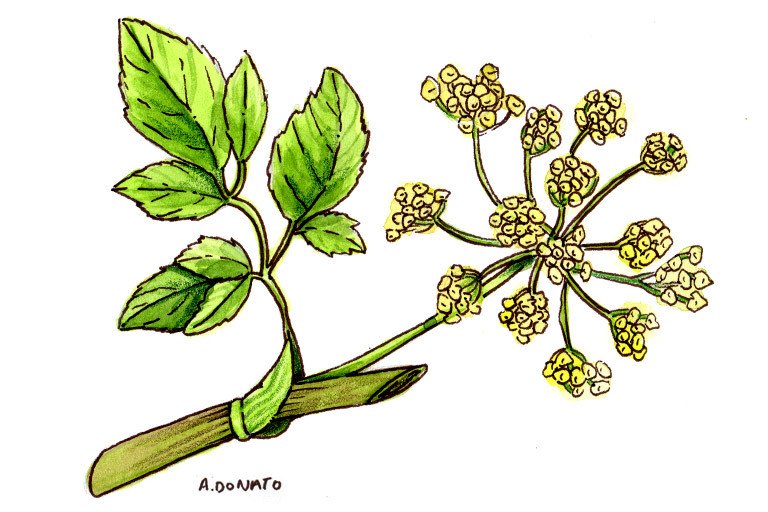
Spotlight: Dong Quai in One for the Ladies
Gordon's Healthy Living features dong quai in One for the Ladies—a 13-herb elixir with chaste tree berry, wild yam root, damiana leaf, dong quai root, shatavari root, raspberry leaf, schisandra berry, sarsaparilla root, hydrangea root, blue vervain, Irish moss, and bladderwrack. As a blood nourisher, dong quai synergizes to:
- Balance hormones and regulate cycles.
- Ease PMS cramps and mood swings.
- Support reproductive vitality during transitions.
Drawing from TCM blood tonics, it's a daily tonic for harmony; take 3 capsules per serving, up to 2 daily.
Seamless Integration: Daily Ways to Use Dong Quai
| Method | How to Use | Best For |
|---|---|---|
| Capsules | 3 in One for the Ladies with meals | Hormonal balance |
| Tea | Steep 1g root in hot water, 1–2x daily | Menstrual relief |
| Tincture | 1–2ml in water | Quick absorption |
| Culinary | Add powder to soups/broths | Blood building |
Start low; monitor for allergies.
Embracing the Queen Herb
From TCM texts to your routine, dong quai empowers women's wellness with timeless grace. In One for the Ladies, it harmonizes for modern vitality.
Ready to nurture? Shop One for the Ladies →
Share your dong quai story below! 🌿
Disclaimer: Statements not FDA-evaluated. Not for disease treatment. Consult provider.